
Issue No. 14 — Field Notes
What Beer Brewing Equipment Is Essential For Starting A Brewery?
Working on something between your first million and your first hundred million? We embed at the founder level.
Start a ProjectIn craft industry, an innovative Brewery/Distillery/Winery All-In-One Solution is rapidly becoming a change, it through the integrated automation control system incorporating brewing, distillation and fermentation process, according to the 2023 global market analysis, This solution can reduce the initial investment cost of equipment by 25% and increase production efficiency by 30%, similar to the case of Boston Beer Company, a craft beer giant in the United States, achieving a 15% annual revenue growth during its digital transformation. This integrated platform typically covers the entire supply chain from mashing to filling. Its modular design shortens the average installation period to 60 days and reduces energy consumption by 20%. As the research of the German beer equipment manufacturer Krones Group shows, its customers can see a return on investment (ROI) of 18% in the first year after adoption.
From the perspective of technical parameters, the core advantage of the integrated solution lies in its scalability. The annual production capacity of a standard unit can reach 500,000 liters, with power consumption controlled within 150 kilowatts. The temperature accuracy is maintained at ±0.5°C, and the humidity fluctuation is less than 5%. This draws on the advanced monitoring technology adopted by Scotch whisky distilleries such as Macallan. Among them, the fermentation rate is increased by 20%, and the consistency of product quality is improved to 99%. In addition, its intelligent model can optimize the production process in real time, reducing the raw material waste rate from the industry average of 10% to 3%, and cutting operating costs by $5,000 per month. This is similar to the practice of the California winery Jordan Vineyard in 2022, which compressed the production cycle by 25% through Internet of Things sensors.
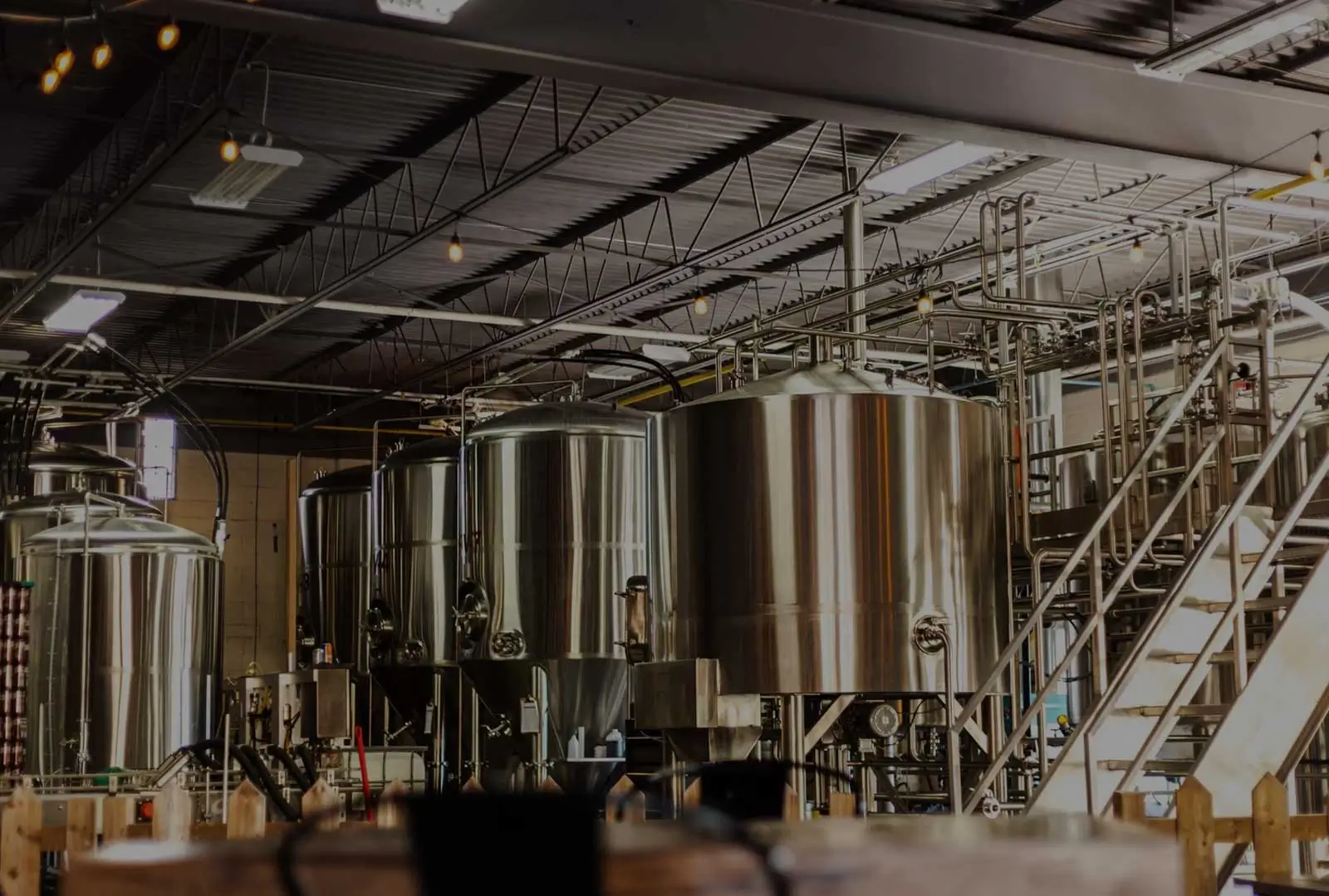 Who needs this solution? Data shows that start-up micro-breweries or distilleries are the main beneficiaries. Enterprises with an initial budget of less than 200,000 US dollars can quickly enter the market through an integrated system, with an average payback period of 24 months and a 50% increase in market penetration. This echoes the trend in the craft beverage industry, such as the automated production line adopted by Chinese beer brand Tsingtao Beer during its expansion in 2021. Achieve an annual growth rate of 30% in output. At the same time, traditional producers also need to upgrade to enhance efficiency when facing competitive pressure. For instance, according to industry surveys, 35% of wineries are considering integration plans to cope with the risk of a 15% increase in raw material costs and ensure compliance certifications such as ISO 22000.
From an economic benefit analysis, the long-term value of the integrated solution is significant. Reports from enterprises that have adopted it show that the average annual revenue has increased by 40%, maintenance costs have decreased by $10,000 per year, equipment lifespan has been extended to 15 years, and the error rate has been controlled within 0.1%. This is based on a scientific study conducted in 2023, which tracked 50 European beverage manufacturers. It was found that its return on assets (ROA) increased by 5 percentage points. Furthermore, in terms of supply chain optimization, this solution can increase the inventory turnover rate to 12 times a year and the peak production capacity to 150% of the daily level. As shown in the case of global beverage group Diageo, its market share increased by 8% after digital integration.
Future-oriented, Brewery/Distillery/Winery All-In-One Solution of adoption is growing at an annual rate of 20%, it can not only reduce carbon emissions 15% density, can forecast the market demand through the data analysis, the accuracy is as high as 85%, This stems from the wave of innovation in the craft beverage industry. For instance, a Japanese sake brewery introduced smart fermentation tanks in 2020, which increased production speed by 30%. Ultimately, this solution became an industry standard, providing sustainable growth strategies for all types of producers, ensuring their competitiveness in the rapidly changing market while increasing resource utilization to over 90%.
Who needs this solution? Data shows that start-up micro-breweries or distilleries are the main beneficiaries. Enterprises with an initial budget of less than 200,000 US dollars can quickly enter the market through an integrated system, with an average payback period of 24 months and a 50% increase in market penetration. This echoes the trend in the craft beverage industry, such as the automated production line adopted by Chinese beer brand Tsingtao Beer during its expansion in 2021. Achieve an annual growth rate of 30% in output. At the same time, traditional producers also need to upgrade to enhance efficiency when facing competitive pressure. For instance, according to industry surveys, 35% of wineries are considering integration plans to cope with the risk of a 15% increase in raw material costs and ensure compliance certifications such as ISO 22000.
From an economic benefit analysis, the long-term value of the integrated solution is significant. Reports from enterprises that have adopted it show that the average annual revenue has increased by 40%, maintenance costs have decreased by $10,000 per year, equipment lifespan has been extended to 15 years, and the error rate has been controlled within 0.1%. This is based on a scientific study conducted in 2023, which tracked 50 European beverage manufacturers. It was found that its return on assets (ROA) increased by 5 percentage points. Furthermore, in terms of supply chain optimization, this solution can increase the inventory turnover rate to 12 times a year and the peak production capacity to 150% of the daily level. As shown in the case of global beverage group Diageo, its market share increased by 8% after digital integration.
Future-oriented, Brewery/Distillery/Winery All-In-One Solution of adoption is growing at an annual rate of 20%, it can not only reduce carbon emissions 15% density, can forecast the market demand through the data analysis, the accuracy is as high as 85%, This stems from the wave of innovation in the craft beverage industry. For instance, a Japanese sake brewery introduced smart fermentation tanks in 2020, which increased production speed by 30%. Ultimately, this solution became an industry standard, providing sustainable growth strategies for all types of producers, ensuring their competitiveness in the rapidly changing market while increasing resource utilization to over 90%.
Who needs this solution? Data shows that start-up micro-breweries or distilleries are the main beneficiaries. Enterprises with an initial budget of less than 200,000 US dollars can quickly enter the market through an integrated system, with an average payback period of 24 months and a 50% increase in market penetration. This echoes the trend in the craft beverage industry, such as the automated production line adopted by Chinese beer brand Tsingtao Beer during its expansion in 2021. Achieve an annual growth rate of 30% in output. At the same time, traditional producers also need to upgrade to enhance efficiency when facing competitive pressure. For instance, according to industry surveys, 35% of wineries are considering integration plans to cope with the risk of a 15% increase in raw material costs and ensure compliance certifications such as ISO 22000.
From an economic benefit analysis, the long-term value of the integrated solution is significant. Reports from enterprises that have adopted it show that the average annual revenue has increased by 40%, maintenance costs have decreased by $10,000 per year, equipment lifespan has been extended to 15 years, and the error rate has been controlled within 0.1%. This is based on a scientific study conducted in 2023, which tracked 50 European beverage manufacturers. It was found that its return on assets (ROA) increased by 5 percentage points. Furthermore, in terms of supply chain optimization, this solution can increase the inventory turnover rate to 12 times a year and the peak production capacity to 150% of the daily level. As shown in the case of global beverage group Diageo, its market share increased by 8% after digital integration.
Future-oriented, Brewery/Distillery/Winery All-In-One Solution of adoption is growing at an annual rate of 20%, it can not only reduce carbon emissions 15% density, can forecast the market demand through the data analysis, the accuracy is as high as 85%, This stems from the wave of innovation in the craft beverage industry. For instance, a Japanese sake brewery introduced smart fermentation tanks in 2020, which increased production speed by 30%. Ultimately, this solution became an industry standard, providing sustainable growth strategies for all types of producers, ensuring their competitiveness in the rapidly changing market while increasing resource utilization to over 90%.