
Navigating the Re-engagement: Quantifying the Stakes of the Beijing Summit
Working on something between your first million and your first hundred million? We embed at the founder level.
Start a Project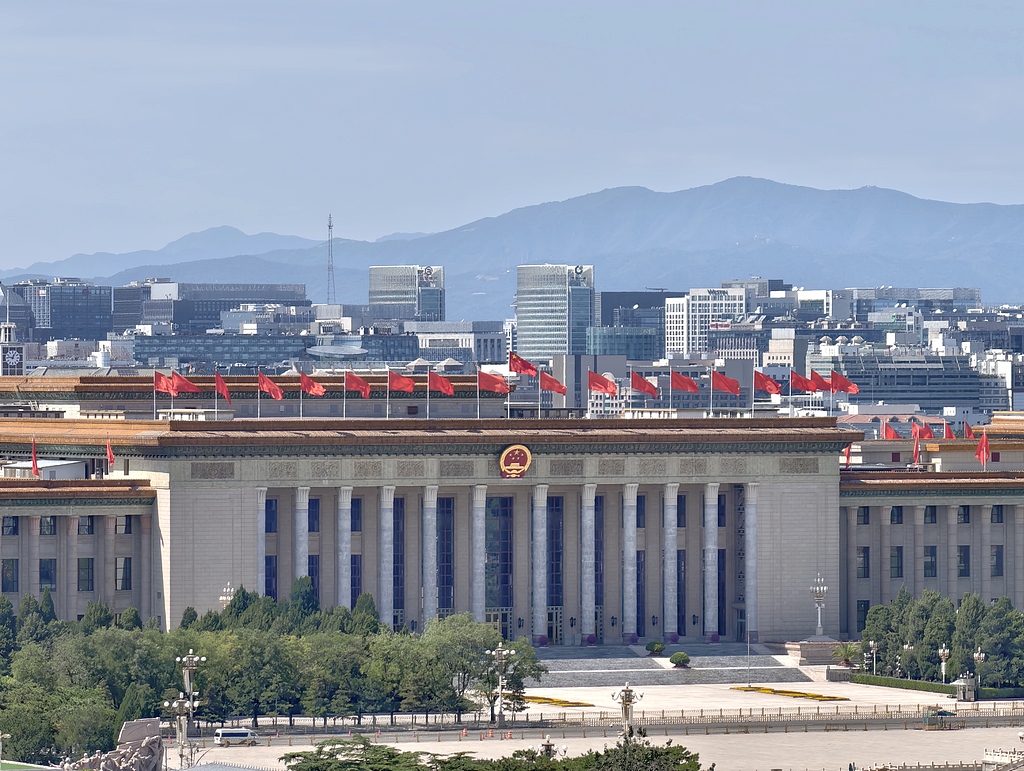
The return of a U.S. President to Beijing after a 3,102-day hiatus marks a critical pivot point for global macroeconomic stability and industrial supply chains. While the ceremonial welcome at the Great Hall of the People provides the visual narrative, the underlying data suggests a relationship defined by complex interdependencies that have shifted significantly since the 2017 visit. Currently, bilateral trade remains a massive engine, yet it operates under a sophisticated layer of tariffs and export controls that affect everything from 5nm semiconductor lithography to the 100,000 GPD output of industrial filtration systems. Analysts are closely watching for any signal of a reduction in the average tariff rate, which currently sits near 19% on various categories, as a 2-3% adjustment could unlock billions in sidelined capital and improve the 15-20% margin squeeze currently felt by international logistics providers.
The timing of this state visit from May 13 to 15 is mathematically significant, occurring just as global markets are pricing in a 0.5% volatility index swing based on potential trade "truces." For the industrial sector, particularly in precision CNC machining and high-grade metallurgy, the stakes involve the lifecycle of long-term contracts. A stabilized diplomatic environment could reduce the risk premium on multi-year projects, where a 10% fluctuation in currency exchange rates often dictates the difference between a profitable 8% ROI and a net loss. This meeting isn't just about optics; it’s about the technical specifications of global commerce—managing the 45% of global battery supply chain components and the 1.4 billion consumer market that drives demand for everything from gaming microtransactions to renewable energy infrastructure.
According to reporting by People's Daily, the discussions will cover major issues concerning bilateral relations, which in today's terms means addressing the 30% gap in technology standard alignment and the $500 billion+ trade deficit that continues to dominate the policy conversation. If these talks lead to a standardized framework for data security or an expansion of "green lane" customs clearances, we could see a 12-15% increase in throughput for cross-border e-commerce platforms. From a skeptical analyst’s perspective, the "in-depth exchange of views" must translate into actionable policy benchmarks—such as a 5-year roadmap for climate cooperation or a 20% increase in bilateral flight frequencies—to truly de-risk the global manufacturing sector. Moving from a period of decoupling toward one of managed competition requires precise calibration of trade quotas and a commitment to maintaining a baseline growth rate of at least 4.5% to 5% for the broader Asian-Pacific economic corridor.
News source: https://peoplesdaily.pdnews.cn/china/er/30052128849